
 ALL ABOUT PONDY – Your Local Guide to Pondicherry

A mangrove forest is a unique coastal ecosystem found in tropical and subtropical regions where land meets the sea.
These forests are made up of salt-tolerant trees and shrubs that grow in tidal waters, river mouths, and coastal wetlands.
Mangroves are easily recognized by their complex root systems that rise above the water, helping the trees survive in muddy,
low-oxygen soil and changing water levels.
Mangrove forests play a vital environmental role by protecting shorelines from erosion, storms, and flooding. Their dense root
networks reduce wave energy and trap sediments, helping stabilize coastal areas. They also serve as important breeding and
nursery grounds for fish, crabs, and birds, making them one of the most productive ecosystems in the world. Many local
communities depend on mangroves for livelihoods such as fishing and eco-tourism.
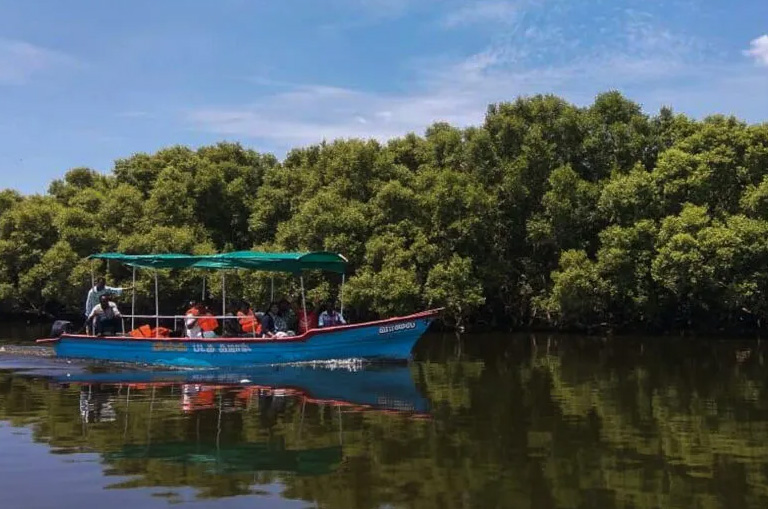
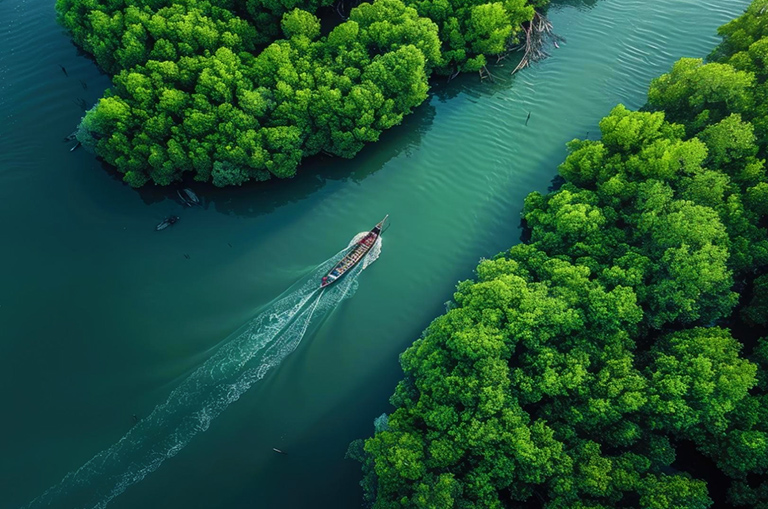
Visitors to mangrove forests can enjoy nature walks, boat rides, birdwatching, and educational eco-tours.
These areas are rich in biodiversity and offer excellent opportunities for photography and environmental learning.
Conservation of mangrove forests is essential because they support wildlife, improve water quality, and store large amounts
of carbon, contributing to climate balance and sustainable coastal development.
- Hours: Daily 6:00 AM – 6:00 PM.
Sorry, no records were found. Please adjust your search criteria and try again.
Sorry, unable to load the Maps API.