
 ALL ABOUT PONDY – Your Local Guide to Pondicherry


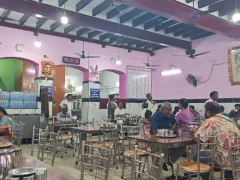
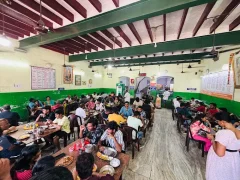
The Indian Coffee House (ICH) is a legendary institution in India, celebrated not just for its brew, but for its role as a cultural and political hub. Founded by the Coffee Board in the 1930s and later reorganized into worker-owned cooperatives in the late 1950s—thanks to the initiative of communist leader A.K. Gopalan—it stands as a unique model of self-governance. Stepping into an ICH often feels like stepping back in time, with its signature high ceilings, slow-moving fans, and waiters dressed in iconic white uniforms topped with starched, feathered turbans.
The menu at Indian Coffee House is famously nostalgic and remarkably affordable, maintaining a “no-frills” charm that appeals to students, tourists, and locals alike. While the coffee is a staple, the food—ranging from Beetroot-infused Vegetable Cutlets and buttery Omelettes to Masala Dosas—has gained a cult following for its consistent, old-school taste. In a world of modern, high-priced coffee chains, ICH remains a rare space where the simplicity of the meal is secondary to the quality of the conversation.
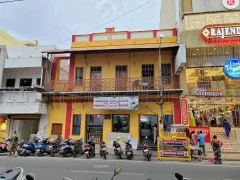
In Pondicherry specifically, the Indian Coffee House on Nehru Street carries a distinct character, blending the brand’s national heritage with the town’s unique Franco-Tamil atmosphere. It has long served as a “people’s parliament” where artists, writers, and retirees gather for hours to discuss everything from local politics to philosophy over steaming cups of filter coffee. For many, a visit here isn’t just about dining; it is a ritualistic experience that captures the fading soul of 20th-century intellectual life.
Comments are closed